Smoked brisket flat
- Prep10 min
- Cook7 hr 30 min
- Serves8–10
- DifficultyHard
- TemperatureAbout 110–130°C (230–266°F), indirect with the deflector in.
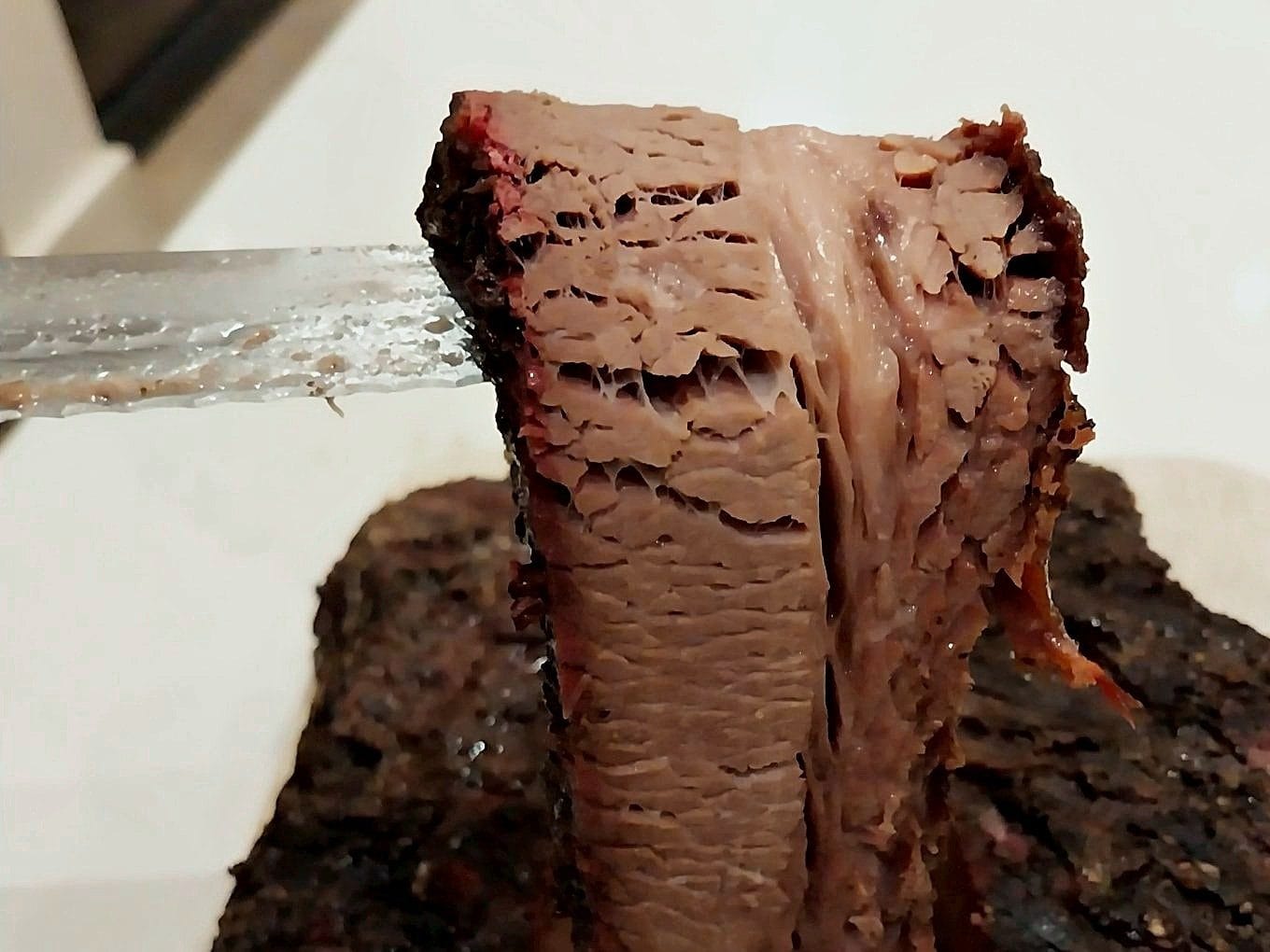
For me, brisket is the king of barbecue, the World Cup final. It’s the cook you see most on YouTube, it’s what restaurants are famous for, and it’s the backbone of low-and-slow. This smoked brisket was my first, and what I really cared about was starting the journey to mastering it, and making something that tastes amazing, which most people can’t. I wasn’t in a rush, so I let it take all day. When I cut it across the grain I could see the juices coming out, and a slice draped over the knife held while the fibres came apart: broken down and juicy, but still with a bit of bite.
Ingredients
- A brisket flat, about 2.5kg
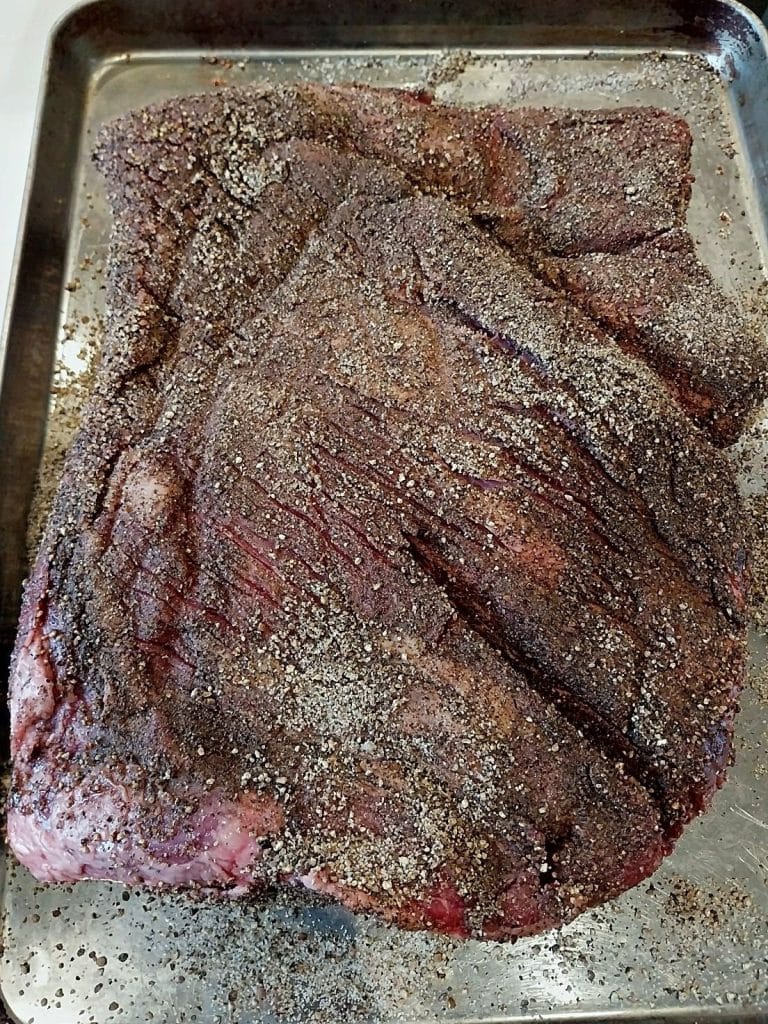
- Salt, pepper and garlic, mixed in a bowl first: roughly equal salt and pepper, with a little garlic
- A little stock and some butter, for the wrap
Equipment
- A barbecue that can hold about 110–130°C (230–266°F) indirect, with the lid down, for most of a day. I cooked on a Monolith TWO 55, with the deflector in and two drip trays on it. Any kamado with a deflector should do the same job.
- Lump charcoal, a firelighter and some oak. I used the restaurant-grade lump I normally cook on.
- A thermometer. A leave-in is really useful. It was raining when I started, so I didn't put mine in and used an instant-read instead.
- Foil, a couple of towels and a switched-off oven, for the rest.
Method
- Season it 15–20 minutes before it goes on.
- Light the barbecue and set it up for indirect cooking.
- Put the brisket on fat side up, at about 120°C (248°F).
- Wrap it when it's at about 75°C (167°F).
- Cook it until it's probe tender, not to a number.
- Rest it for a good couple of hours or more.
- Slice it across the grain.

Key takeaways
- You’re cooking to touch as well as temperature. A probe is really useful, but there’s quite a lot of wiggle room. Mine was at 94°C (201°F) and didn’t feel probe tender at all, and about 40 minutes later, at 97–98°C (207–208°F), it was much more tender.
- Keep the temperature steady and give it time. Until you’ve got a bit more experience, don’t rush it or run it hot to get it finished. Mine ran at about 120–130°C (248–266°F) and was on the barbecue for about seven and a half hours.
- The rest is really important. It came off at 98°C (208°F) with a bit in the middle still slightly tugging. My gut said to leave it on another half an hour or 45 minutes, but I rested it for a bit over three hours instead, and the middle broke down.
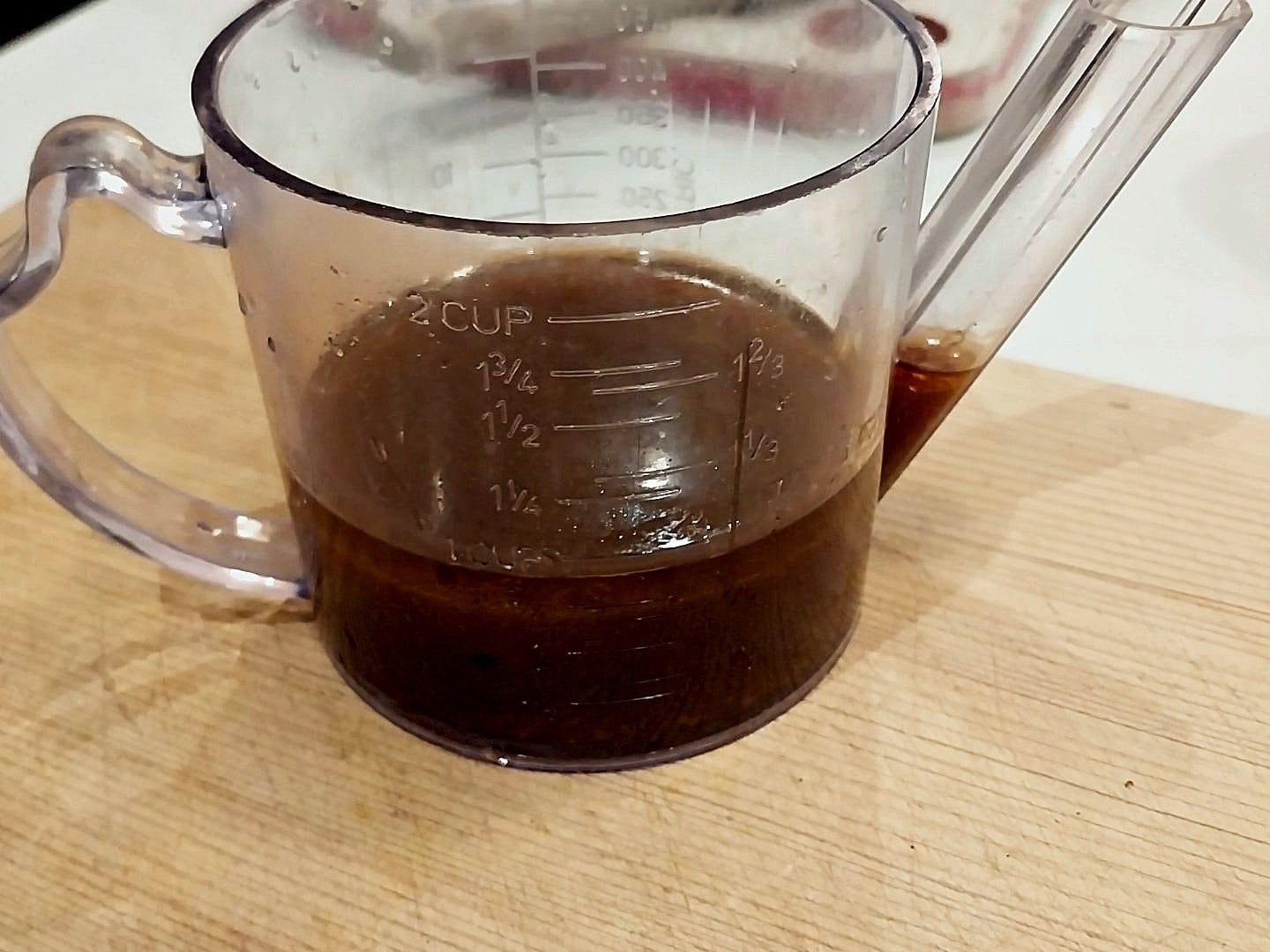
- Wrapping kept the juice in. I wrapped it in foil at about 75°C (167°F) with a little stock and butter, and when it came off there was loads of juice sitting in the foil.
- A 2.5kg flat easily feeds eight, maybe ten. Good-quality meat is really important.
How to smoke a brisket flat
I’d asked H.V. Graves in Briston for a whole packer brisket, but they gave me a flat, and as I didn’t pick the meat up myself, I couldn’t push back. It was fine. It was about 2.5kg, and there wasn’t a lot of fat on it, so I didn’t trim any off. I mixed salt, pepper and garlic in a bowl, put it on all over about 15 to 20 minutes before the brisket went on, and that was it.
I’ve done 40-plus cooks on kamados now, and I’d cooked on the Monolith once before, so I felt comfortable with the barbecue side of things. I lit the lump with a firelighter, minion method, and shut the lid very quickly with the vents open. The deflector went in with two drip trays and no water, and oak went on for the smoke. It was raining when I started, so both my barbecues were wet, and the Monolith took about 10 minutes longer than my Egg to come up to temperature.
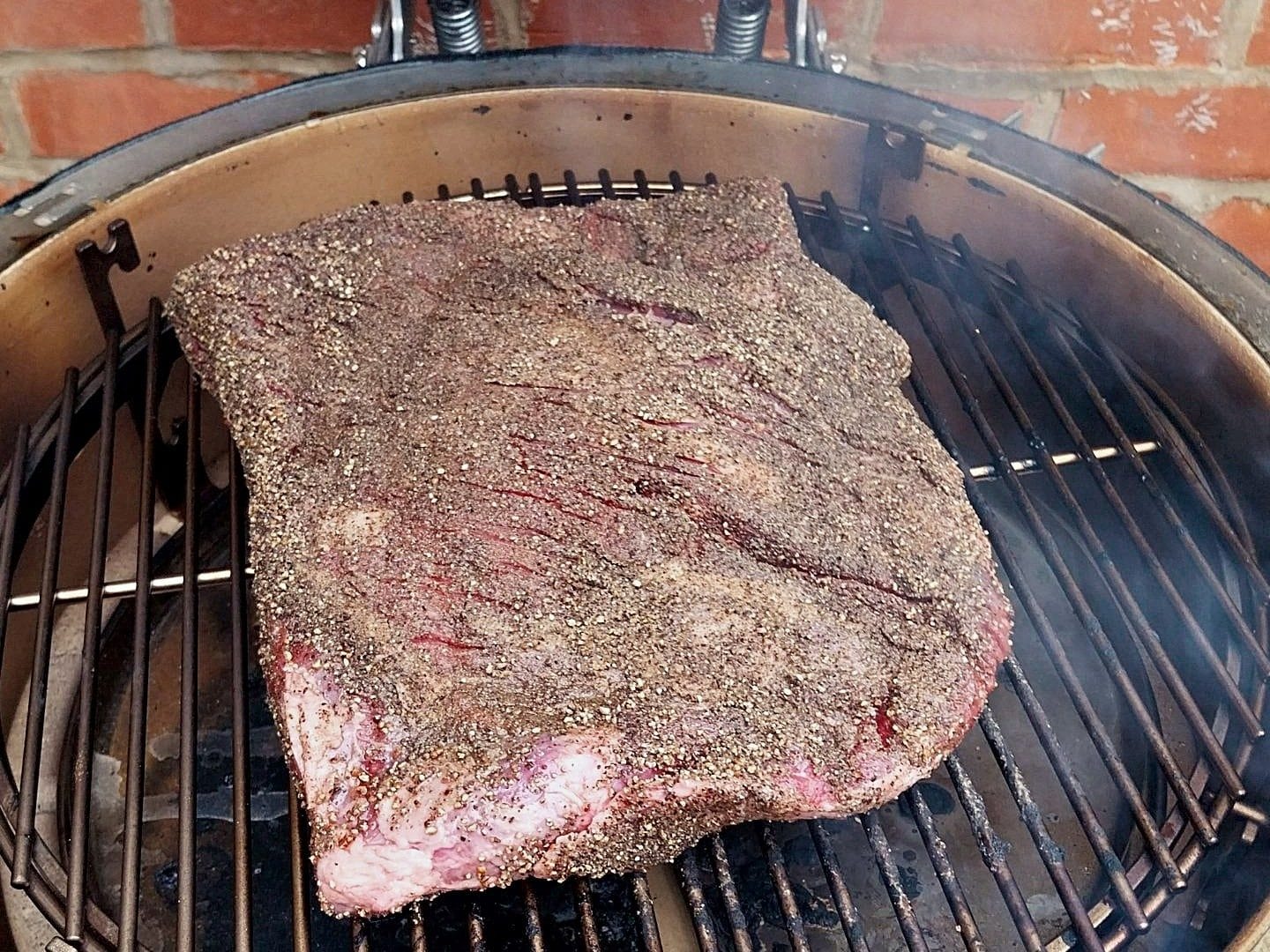
The brisket went on fat side up at about 120°C (248°F). A few hours in, the surface was still wet. I did look it up to check, but I was quite comfortable with it: I wasn’t in a rush, and I’ve learned with pulled pork that these cooks can take a long time. I nudged the barbecue up to about 130°C (266°F) and left it.
After about four and three-quarter hours it was at about 75°C (167°F) inside. It still had a little bit of moisture on top, but I didn’t want it to dry out, so I wrapped it. I double-wrapped it in foil with a little stock and butter, because that’s all I had in, and put it back on at about 130°C (266°F).
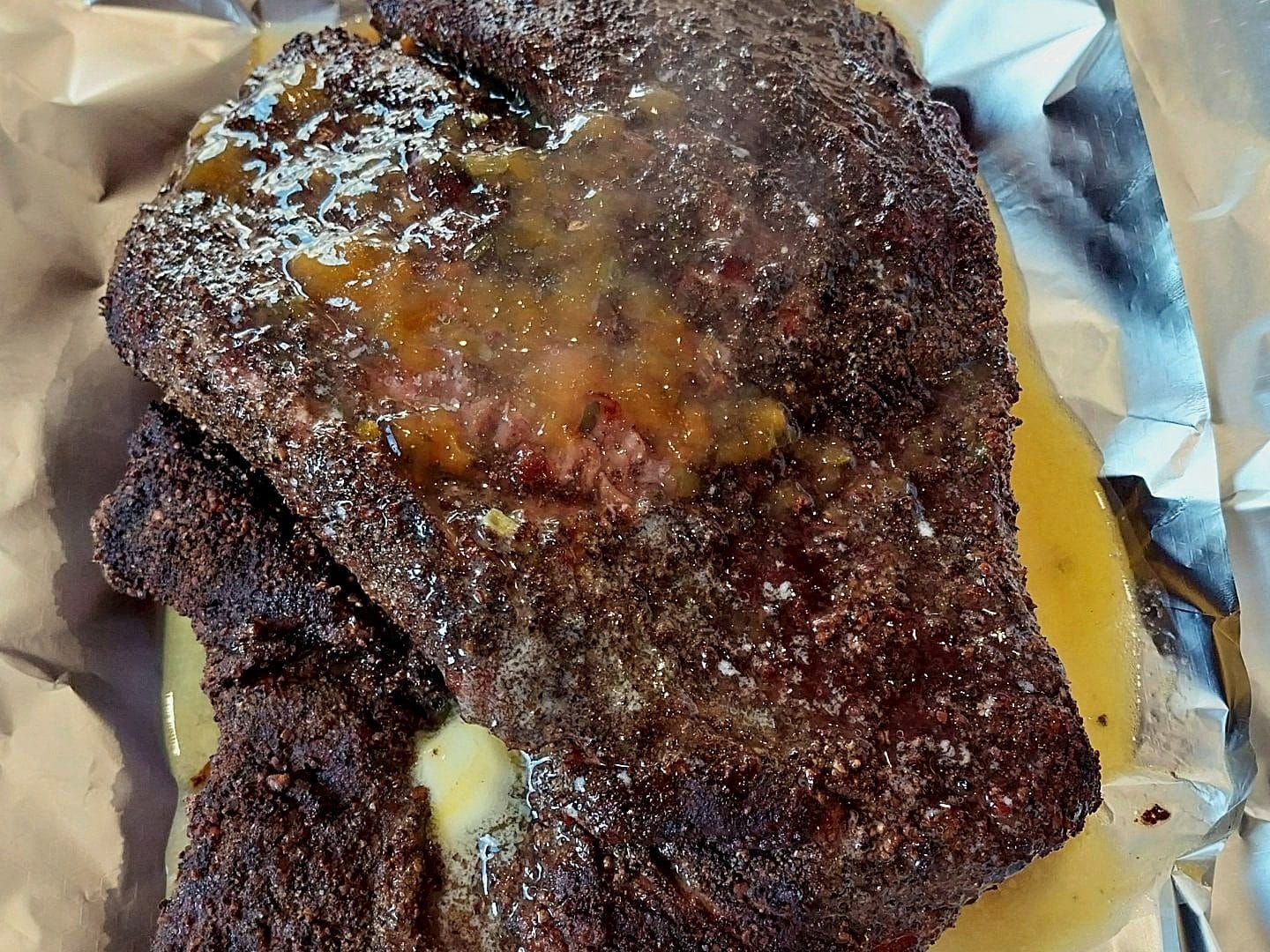
An hour and three-quarters later it was at 94°C (201°F), but it didn’t feel probe tender at all, so I left it. Forty minutes after that it was at 97 to 98°C (207–208°F) and much more tender. The edges were super smooth, but a bit in the middle was still slightly tugging. My gut was to leave it on another half an hour or 45 minutes, but I decided to take it off at about 98°C (208°F) and let it rest, and I think that was a good decision. You still want a bit of hold on brisket when you drape a slice over the knife.
It rested in the foil, wrapped in towels in a switched-off oven, for a bit over three hours, and the middle broke down. It was at about 61°C (142°F) when I carved it. It didn’t feel as buttery as I thought it would when I cut into it, but I made sure to cut across the grain, I could see the juices coming out, and I knew it was in a pretty good place.
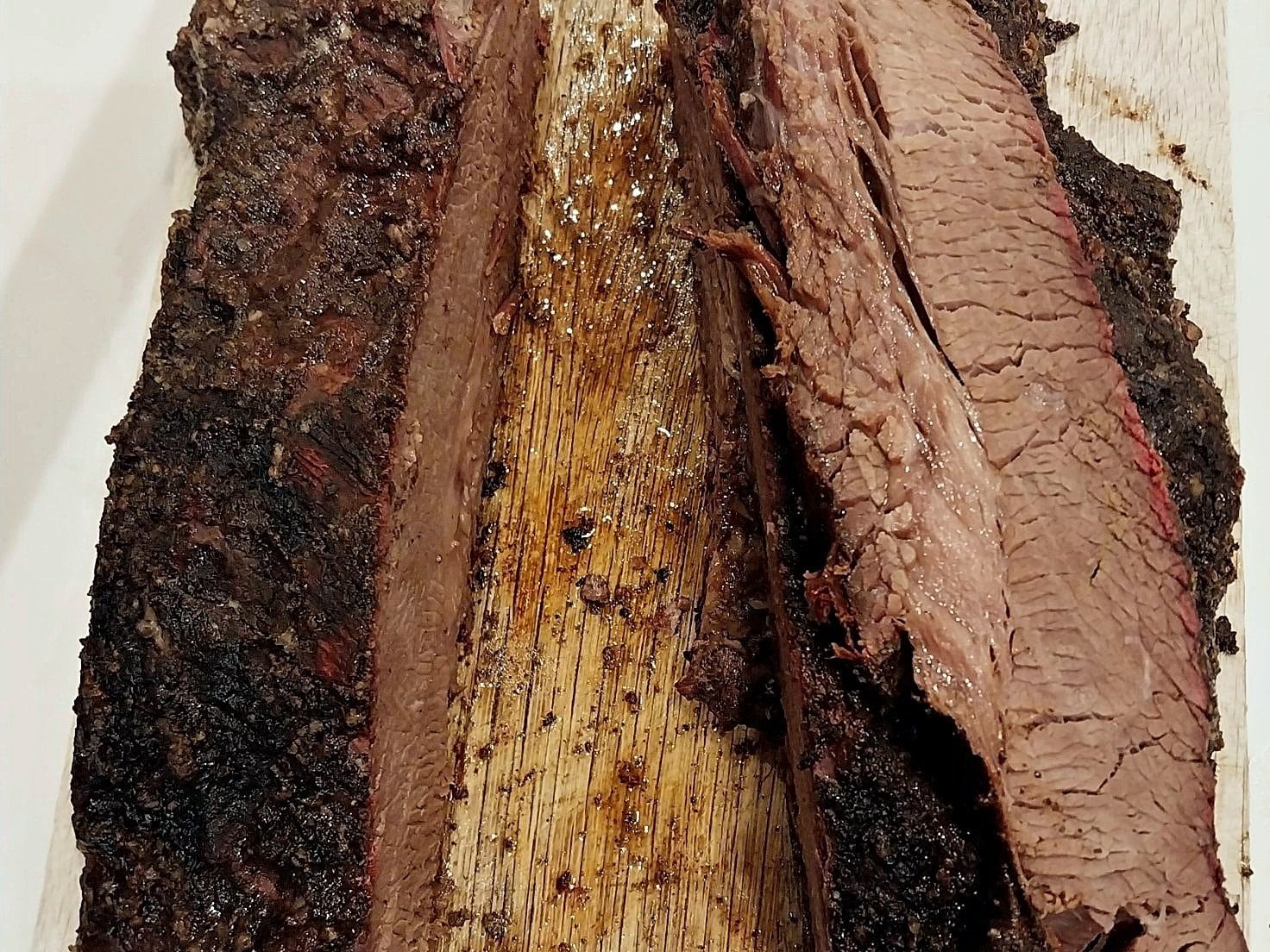
How long to smoke a brisket
My 2.5kg flat was on the barbecue for about seven and a half hours, at about 120–130°C (248–266°F), then rested for a bit over three hours, so it took most of the day. This is the brisket internal temp as it went:
| Time on the barbecue | Inside the brisket | What I did |
|---|---|---|
| About 2 hours | 58°C (136°F) | Left it |
| About 3 hours | 64°C (147°F) | Surface still wet, so I nudged the barbecue up to about 130°C (266°F) |
| About 4¾ hours | 75°C (167°F) | Wrapped it in foil with stock and butter |
| About 6½ hours | 94°C (201°F) | Not probe tender, so I left it |
| About 7 hours | 97–98°C (207–208°F) | Much more tender |
| About 7½ hours | 98°C (208°F) | Took it off to rest |
| After a bit over 3 hours’ rest | 61°C (142°F) | Carved it |
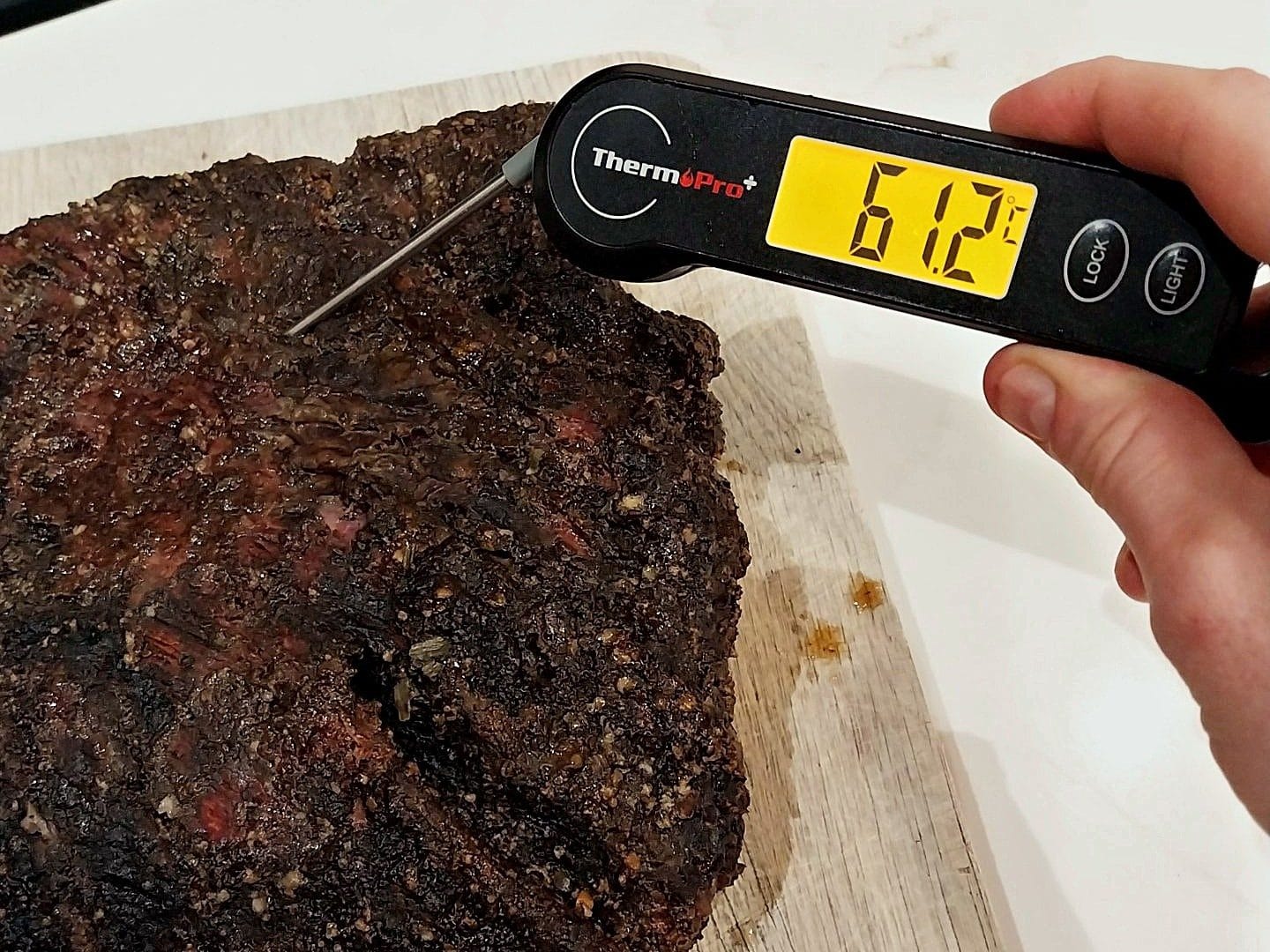
I’d go by touch as much as the clock or the number.
What I learned
If you’re about to cook your first brisket, get your temperature control down and give yourself time. Until you’ve got a bit more experience, don’t rush it, or run it hot to get it finished. Good-quality meat is really important. A probe is very useful, but this isn’t cooking to temperature on its own: you’re cooking to touch as well, so there’s quite a lot of wiggle room. And the rest is really important.
Next time I’d get a whole packer, for sure. I’d also probably take it a bit further before it comes off, just to see what happens, and try to get it probe tender everywhere. I’d absolutely cook it again, and I’d do a flat again too, but I’d prefer a packer.
What to serve it with
I had some for dinner the day I cooked it. Since then it’s gone into brisket burgers with pickles, lettuce and mayo, and the family will have it in sandwiches at the weekend and through the week. Keep the juice from the foil: it’s good for dipping, and for moistening the brisket back up when you reheat it. I just flash it in the microwave for 30 or 40 seconds, and it comes back to life.
Variations
I’ve only smoked a brisket flat, on a Monolith. A whole packer is bigger and will take longer, but I haven’t done one yet. This brisket recipe should work the same way on any kamado with a deflector, but I haven’t done a brisket on a kettle.
Related
- Where to buy a whole brisket in the UK — the packer I’ll be after next time.
- Pulled pork on a kamado — the cook that taught me these cooks can take a long time.
- The best wireless thermometer in the UK — the leave-in kind, for when it isn’t raining.
- The best kamado in the UK — where the Monolith fits among the kamados I’d look at.
- Smoked Thor’s hammer beef — another long cook on the Monolith, wrapped in foil and rested in a switched-off oven.
FAQ
What internal temp should brisket be when you take it off?
I took mine off at about 98°C (208°F), but I was going by touch as much as the number. At 94°C (201°F) it wasn’t probe tender at all. After a bit over three hours’ rest, it was at about 61°C (142°F) when I carved it.
When should you wrap a brisket?
I wrapped mine at about 75°C (167°F), when it still had a little bit of moisture on top and I didn’t want it to dry out. The foil kept in loads of juice.
Is a brisket flat the same as a whole brisket?
No. A whole brisket, sometimes called a packer brisket, is the flat and the point together. A flat is just one part of it, and it’s smaller and thinner. I’d asked for a packer and was given a flat.
How many people does a brisket flat feed?
My 2.5kg flat easily fed eight, maybe ten.
Disclosure and provenance
I cooked this on a Monolith TWO 55 that Que Fresco, the UK distributor, has kindly lent me to test, and I bought the brisket from H.V. Graves in Briston. None of the links here are affiliate links, so nothing here earns a commission.
Sourced from the 27 October 2026 cook log — a 2.5kg brisket flat smoked indirect on a Monolith TWO 55.