Duck legs on the Big Green Egg

- Prep5 min
- Cook1 hr
- Serves2–3
- DifficultyMedium
- TemperatureAbout 200°C (392°F) indirect, deflector in, lid down.
Duck legs do need slow cooking, and confit is how you keep them tender. I did these four on my Big Green Egg in a foil boat of sunflower oil, indirect at about 200°C (392°F) for about an hour and a quarter, on the same fire as a chicken. It wasn’t quite enough oil, but after a flip and a rest they were crispy all over.
Ingredients
- 4 duck legs
- Sunflower oil, enough to cover them
- Salt and black pepper
- To serve: wraps or pancakes, hoisin, mayo, spring onion and cucumber
Equipment
- A barbecue that holds about 200°C (392°F) indirect with the lid down. I use my Big Green Egg Large with the ConvEGGtor (ceramic deflector) in.
- Foil, to make a boat.
- An instant-read probe thermometer.
Method
- Season the legs
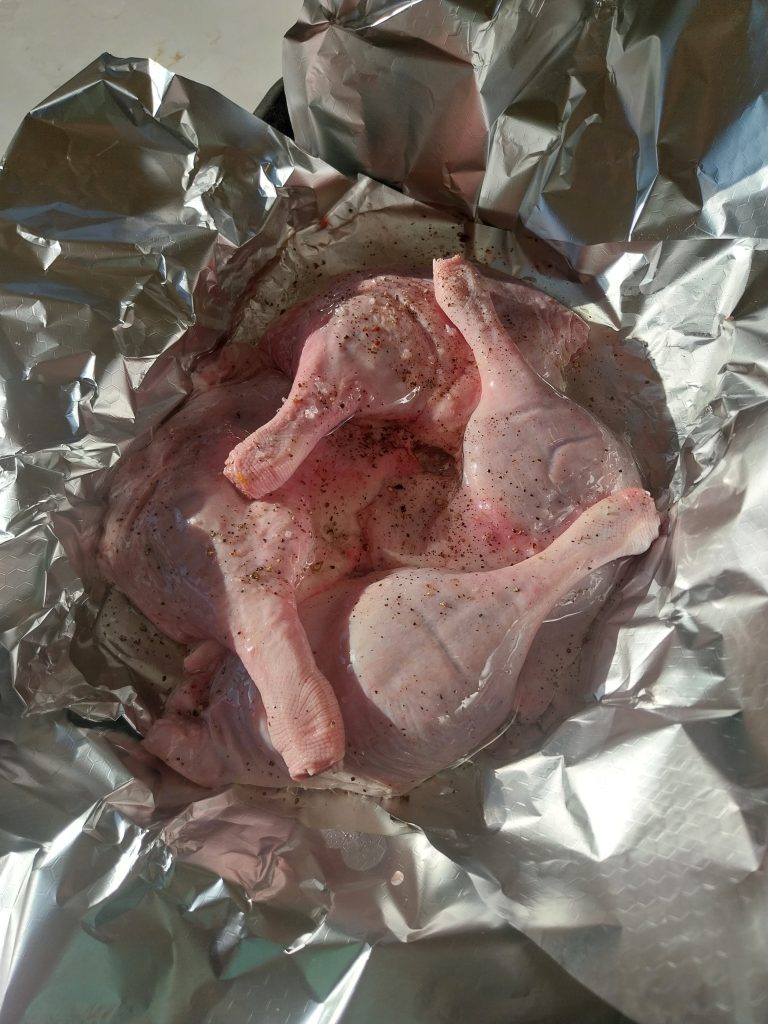
- Put them in a foil boat and cover them with cold oil
- Set the barbecue up indirect at about 200°C (392°F)
- Cook for about an hour
- Take them out and let them rest
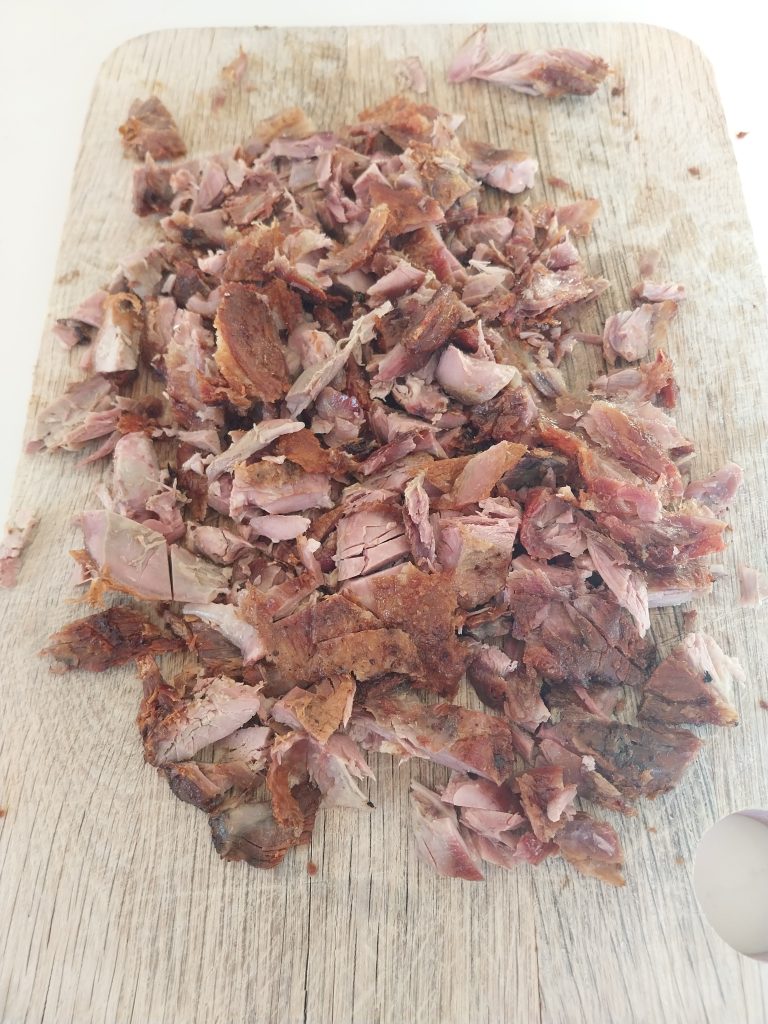
- Shred the meat off the bone while it's still warm
Key takeaways
- Cover them completely with oil. Mine weren’t, so the bottoms went crispy in the oil, the tops stayed soft, and I had to flip them.
- Start them in cold oil. Dropped into hot oil they’d deep fry.
- About an hour is enough. Mine had an hour and a quarter and were starting to catch.
- Put the probe in before the foil goes round them. Through the foil I couldn’t see what I was doing, and it alarmed at 90°C after about 15 minutes.
- Four legs only really serves two or three people. There’s not a huge amount of meat on them.
How to cook duck legs on the BBQ
These were four duck legs from Aldi, on offer at £4.99 for two. I’d cooked duck before, but never on the barbecue. I cooked them on 12 August, on the same fire as a vertical-roaster chicken and some baked potatoes. The Egg was set up indirect with the ConvEGGtor (ceramic deflector) in, at about 200°C (392°F), with some oak on the lump.
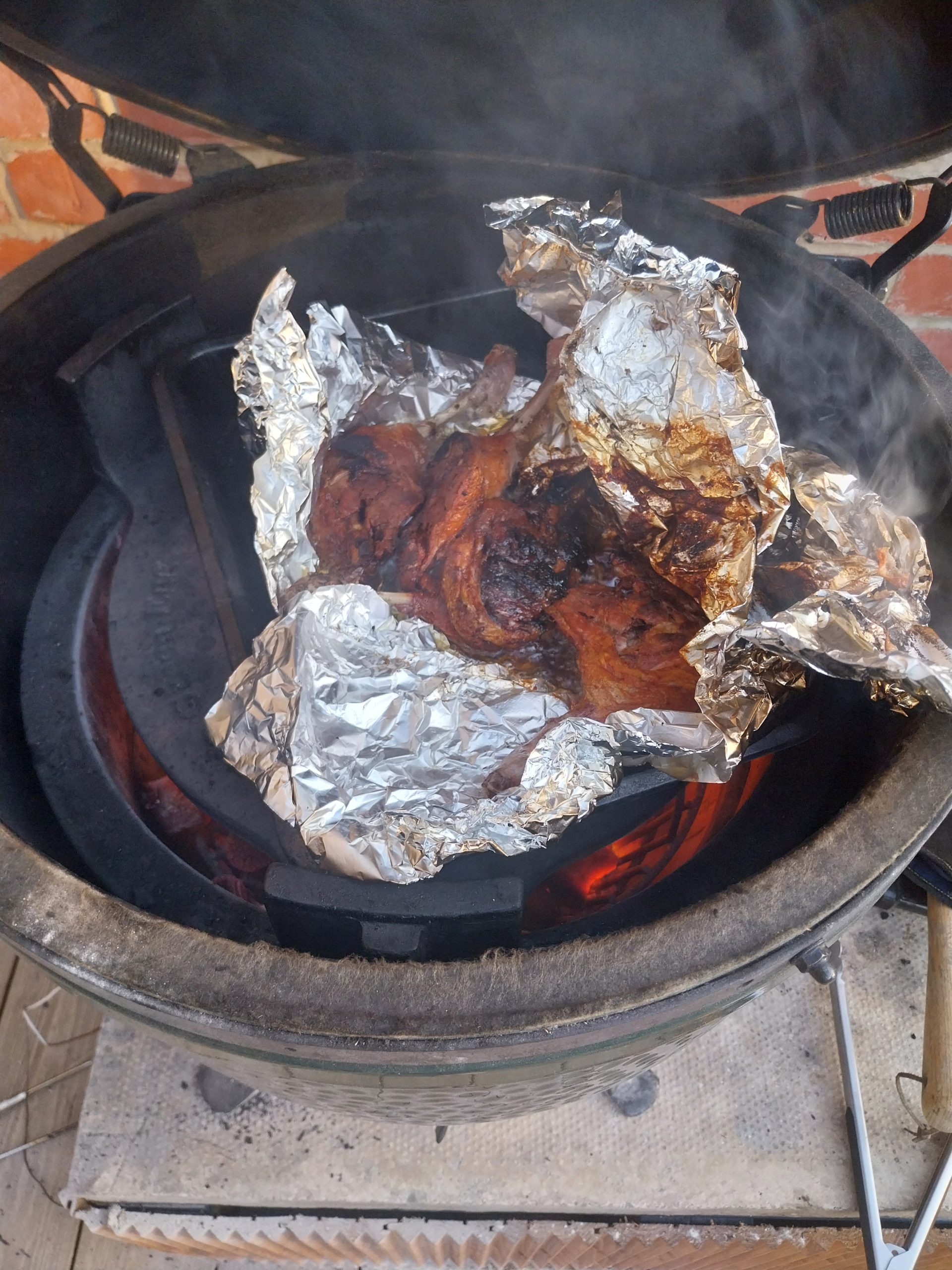
I seasoned the legs with salt and pepper and sat them in a foil boat with sunflower oil. The oil didn’t cover them. The boat went on first, and it ended up underneath the chicken because there wasn’t enough room on the grid.
Confit isn’t the same as deep frying. If you dropped the legs into hot oil, they’d deep fry. If you put them in cold oil and bring it up to temperature, they confit. Mine went into the oil cold.
I tried to get a probe into one of the legs through the foil, but I couldn’t really see what I was doing. It alarmed at 90°C after about 15 minutes, which can’t have been the meat. If I’d stuck the probe in before they went on, I could have got it in.
They had about an hour and a quarter, which was slightly too long, as they were starting to catch. Because there wasn’t enough oil, the bottoms had gone crispy in the oil, but the tops were still a bit soft, so I flipped them over.
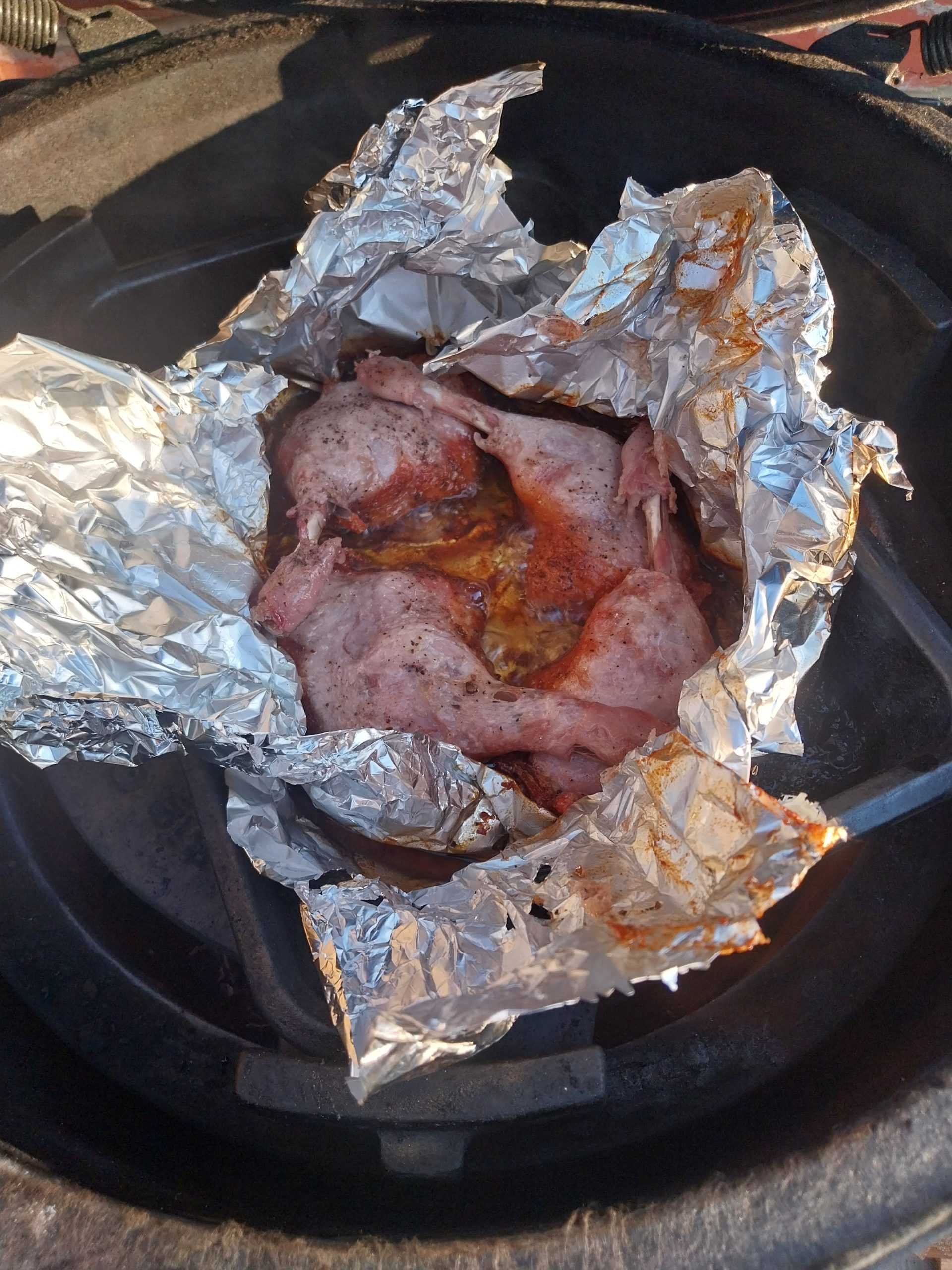
After the flip I took them off and left them to rest, and they were crispy all over. I checked them by hand at about 94°C (201°F).
What to serve with duck legs
I shredded them off the bone a day or two later, though it’s easier to do while they’re still warm. I made duck wraps with hoisin, mayo, spring onion and cucumber, and duck pancakes work the same way. They had a bit of smoke to them, not loads.
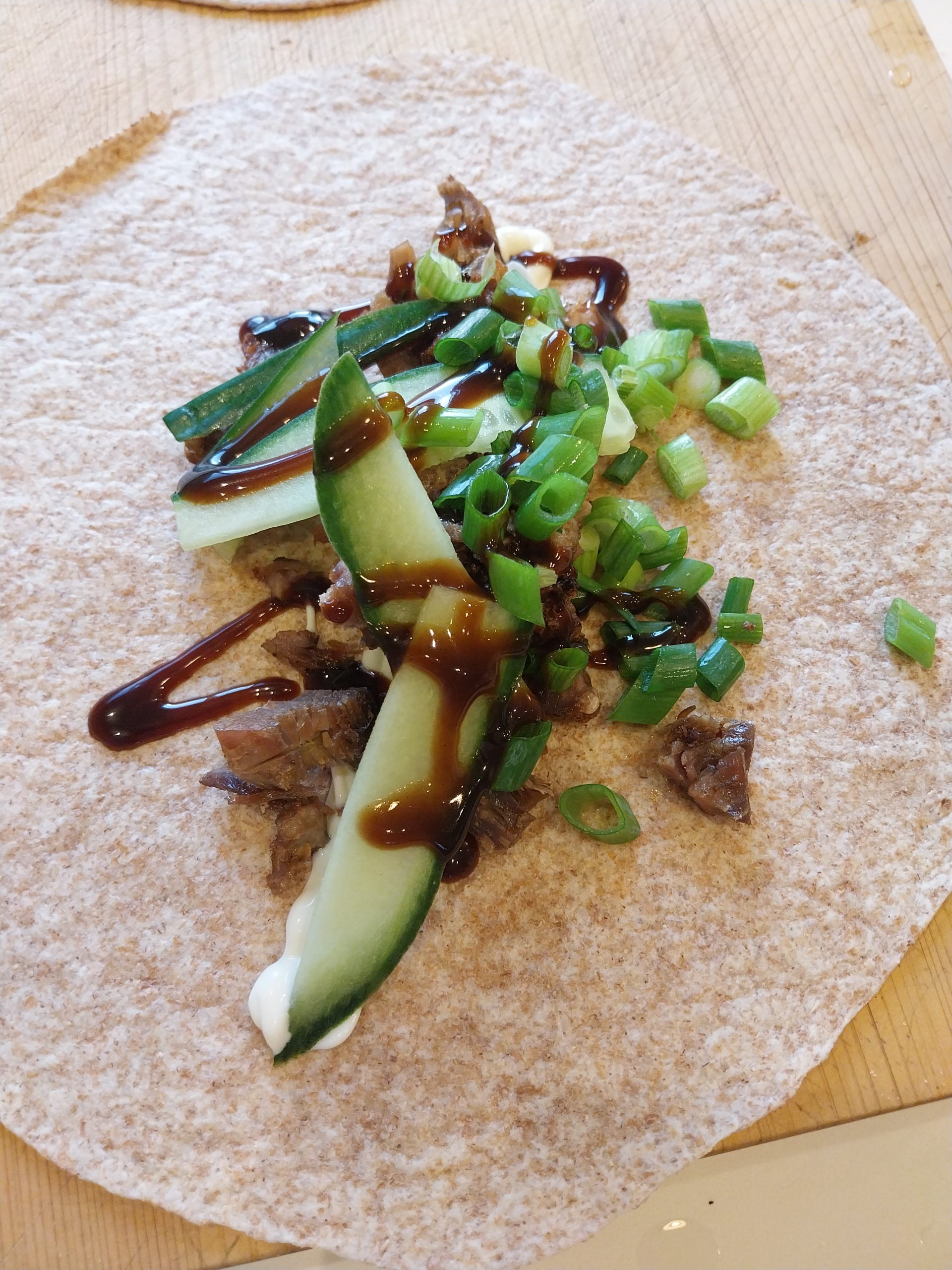
What I learned
It wasn’t quite enough oil. Next time I’ll cover them completely and give them about an hour.
Variations
Any barbecue that holds about 200°C (392°F) indirect with the lid down will do this duck leg recipe. I’ve only done it on the Egg.
Related
- Big Green Egg Large review — the unit this was cooked on.
- Vertical-roaster chicken on a kamado — on the same fire.
FAQ
How do you cook BBQ duck legs?
I confit them in a foil boat of sunflower oil, indirect at about 200°C (392°F) with the lid down, for about an hour. Cover them completely with the oil.
Do duck legs need to be slow cooked?
Yes, duck legs do need slow cooking. Mine had about an hour and a quarter, and an hour would have been enough.
How do you keep duck legs tender?
Confit is how you keep them tender. Put them in cold oil and let it come up to temperature, rather than dropping them into hot oil.
What are the common mistakes when cooking duck legs?
The two I made. Not enough oil, so the tops stayed soft and I had to flip them, and too long, so they were starting to catch.
Where can you buy duck legs?
Mine were from Aldi, on offer at £4.99 for a pack of two in August 2026.
Do duck legs pick up smoke on the BBQ?
Mine did. With some oak on the fire they were lightly smoked duck legs, not loads.
Disclosure and provenance
I bought these from Aldi and cooked them on my own Big Green Egg Large. Smoke and Lump has no commercial relationship with Aldi and earns nothing from this recipe.
Sourced from the 12 August 2026 cook log — four duck legs confited in oil on the Big Green Egg Large, alongside a vertical-roaster chicken.